
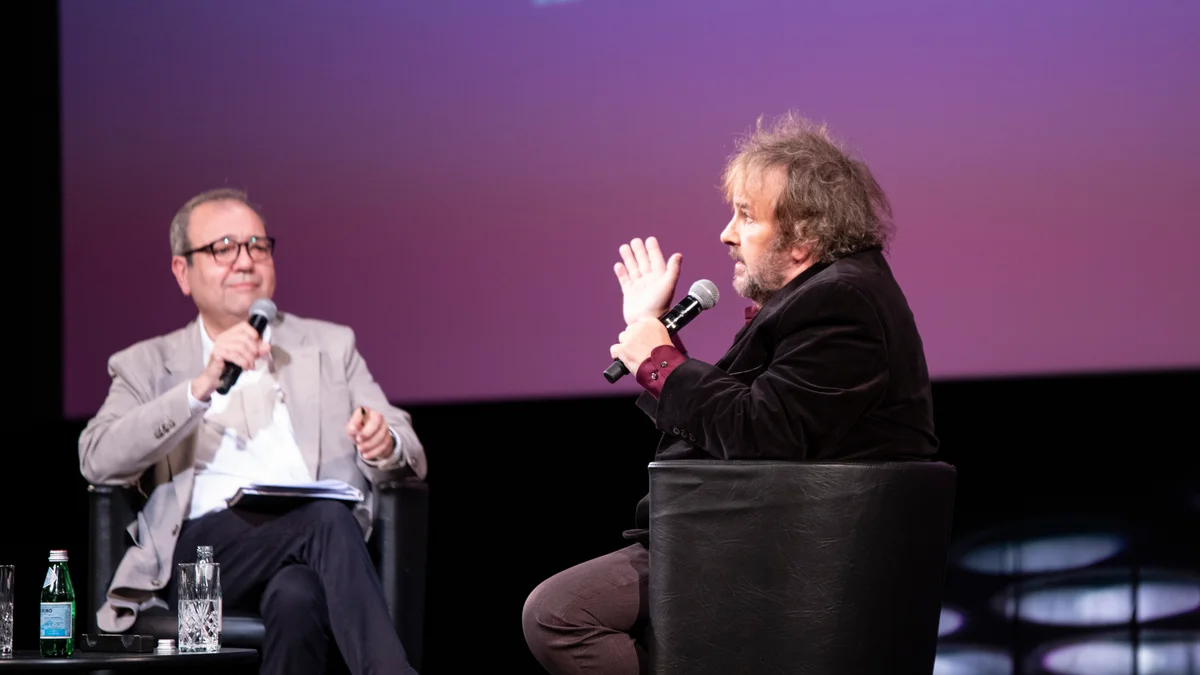
The symmetry was too good for the Festival to ignore. Wood had been 18 when Jackson cast him as Frodo, a decision the actor said permanently divided his life into a before and an after. Twenty-five years after Cannes first saw Middle-earth, he was the person handing Jackson one of the Festival's highest honors.
Cannes knew Jackson before Hollywood treated him like Peter Jackson
His relationship with the Festival actually starts in 1988. Bad Taste, the homemade splatter film Jackson had built while still working his ordinary job in New Zealand, reached the Cannes film market and sold internationally.
Jackson has described that first visit as a professional turning point. He arrived with a strange low-budget debut and left with the sense that filmmaking could become his life rather than the expensive activity consuming his spare time.
The version of Jackson who came back in 2001 had the opposite problem. Instead of proving that he could make a movie at all, he had to convince people that he had not made far too much movie.
Twenty-six minutes had to carry three films
New Line Cinema and Jackson had committed to an extraordinary production model for The Lord of the Rings. The three installments were being made as one vast undertaking in New Zealand, with years of preparation, shooting and post-production attached to a fantasy property that had not yet produced a single theatrical hit.
The Fellowship of the Ring was still on the editing table when Cannes journalists saw a 26-minute preview on May 13, 2001.
The Festival's own account remembers skepticism giving way to enthusiasm. That distinction matters. The presentation did not create Tolkien's audience and it did not magically guarantee the box office. It gave the production something it badly needed months before release: evidence that Jackson's scale could work on a screen.
By the end of the trilogy, the three films had won 17 Academy Awards and generated roughly $3 billion worldwide. The Return of the King alone took 11 Oscars.
The Palme recognizes more than Middle-earth
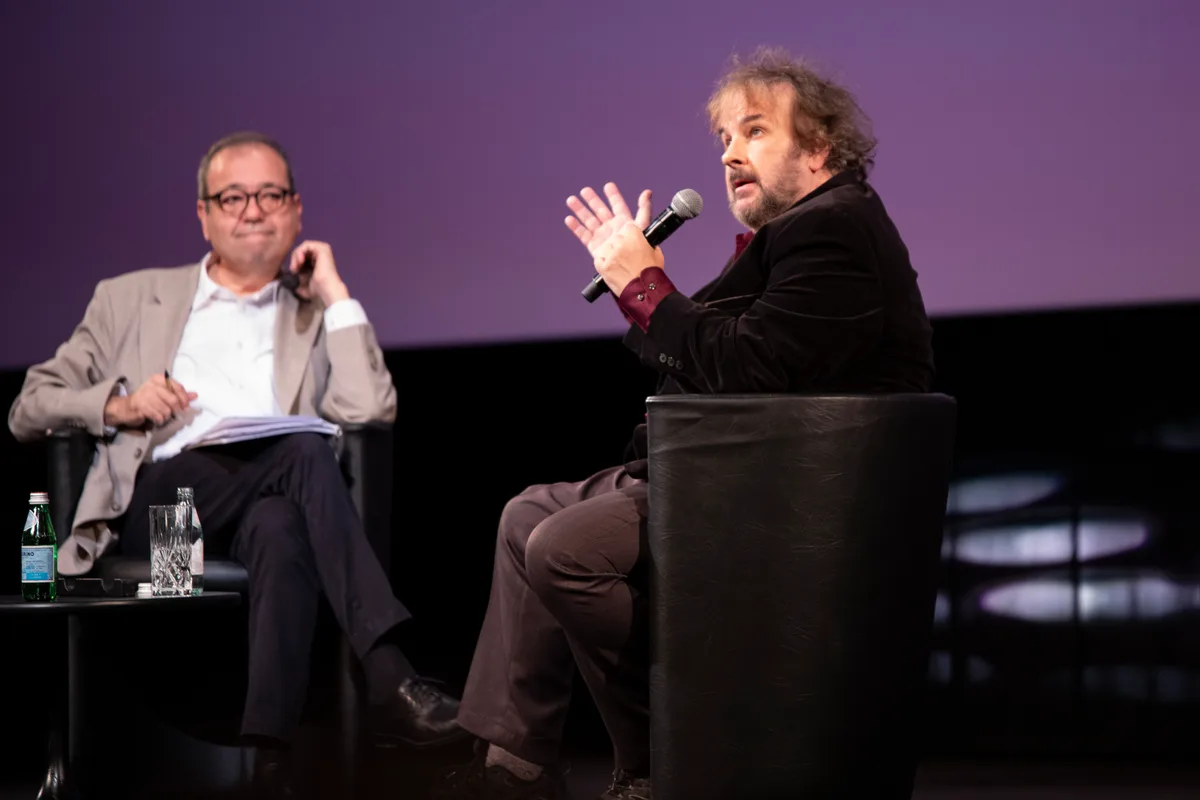
Cannes framed the 2026 award around Jackson's ability to move between forms that are often treated as separate careers. Heavenly Creatures and his early genre films sit beside enormous studio productions. They Shall Not Grow Old rebuilt First World War archive material. The Beatles: Get Back turned dozens of hours of historic footage into an unusually intimate documentary project.
His technical reputation is part of the argument too. The Festival highlighted the mixture of digital effects, practical techniques, natural landscapes and Wētā's work that made the Rings films influential well beyond fantasy.
Festival director Thierry Frémaux went as far as describing a clear before and after Jackson in Hollywood spectacle.
Jackson still does not sound entirely convinced he belongs in the Palme club
On opening night, the filmmaker joked about the apparent mismatch himself. He had never expected to receive a Palme because, as he put it, he does not make the sort of films that normally win one.
An Honorary Palme makes that distinction less useful. Jackson never needed The Lord of the Rings to compete for Cannes' main prize for the Festival to recognize what those films changed.
The ceremony also avoided ending the tribute with another Middle-earth reference. Theodora and Oklou performed Get Back, nodding instead to Jackson's Beatles documentary and to the less predictable second half of his career.
In 2001, Cannes gave an unfinished Fellowship of the Ring an unusually important room full of people. In 2026, Elijah Wood walked back onto that stage with the Palme.